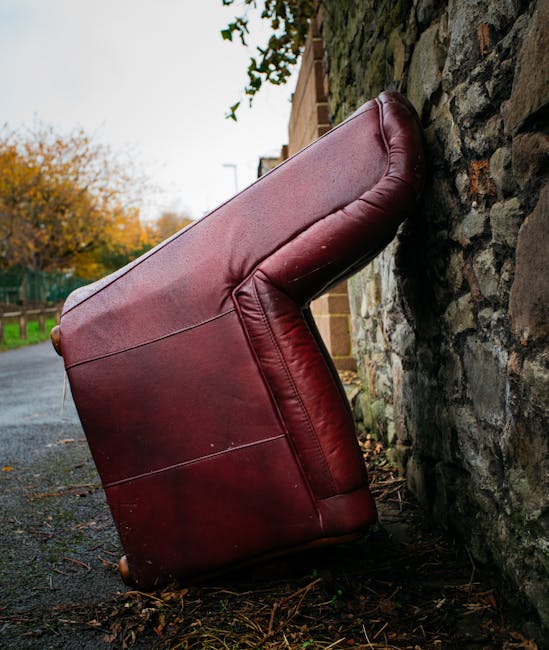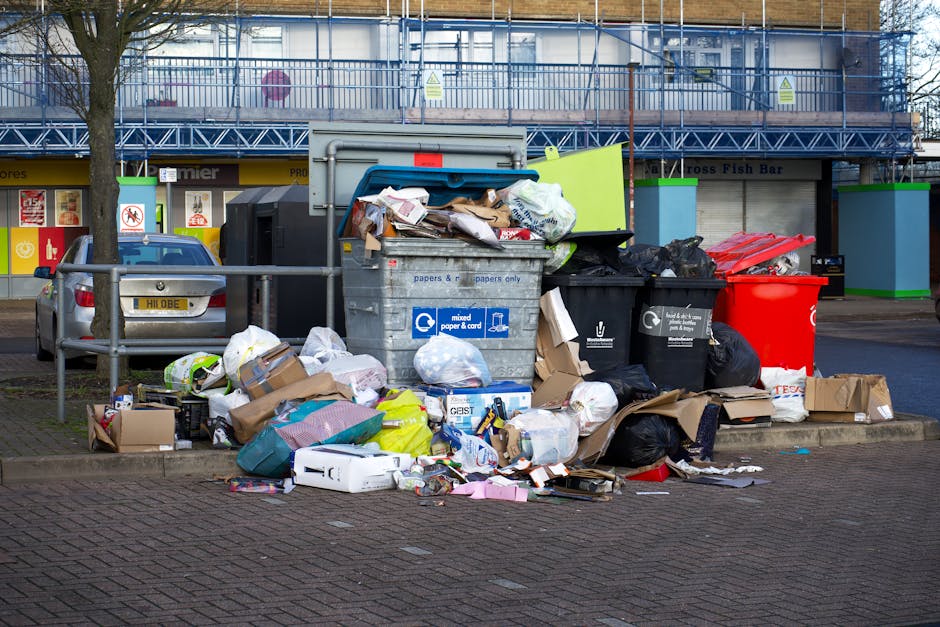
Hounslow council rules for sofa disposal and cleaning: a practical local guide
If you are trying to work out Hounslow council rules for sofa disposal and cleaning, you are probably dealing with one of three things: a move, a replacement sofa, or a stubborn upholstered piece that has seen better days. It sounds simple enough, until you hit the awkward bits - collection booking, access issues, cleaning expectations, and whether it is actually worth saving the sofa at all. In a real house, especially a busy one, these decisions tend to happen on a Monday morning when there is already too much going on. Truth be told, that is usually when the mistakes happen too.
This guide breaks the topic down in plain English. You will learn how disposal normally works, what good cleaning looks like before you get rid of a sofa, what to avoid, and when it makes more sense to clean, donate, or arrange a proper clearance. I will keep it practical and careful, because the details matter here.
Why Hounslow council rules for sofa disposal and cleaning Matters
Sofas are bulky, awkward, and often heavier than they look. They can also carry dust, pet hair, odours, stains, and sometimes pests if they have been stored badly. That is why sofa disposal is not just about dragging a three-seater to the kerb and hoping for the best. Councils in London usually expect bulky waste to be presented properly, and residents are generally expected to separate reusable, recyclable, and contaminated items where possible.
There is also a cleanliness angle that people underestimate. A sofa that is being moved, collected, donated, or recycled tends to go through more handling than a bin bag ever will. A clean, dry, de-furred sofa is easier to assess, safer to move, and more likely to be accepted by a reuse route if that is an option. A dirty, damp, or badly stained sofa can quickly become a no-go. Nobody wants a sour smell in the hallway at 8am, let's face it.
The practical payoff is simple: when you understand the rules and prepare properly, you reduce the risk of missed collections, extra charges, neighbour complaints, and avoidable waste. You also protect shared spaces like stairwells, lifts, and communal entrances. For tenants, landlords, and homeowners alike, that can save time and a bit of stress.
If you are dealing with a larger clean-out rather than a single sofa, it may help to look at related support such as house clearance or a one-off reset through one-off cleaning. Those services can be especially useful when a sofa disposal is part of a broader room or property refresh.
How Hounslow council rules for sofa disposal and cleaning Works
The exact collection process can change over time, so the safest approach is always to check the current Hounslow Council guidance before booking or putting anything out. In broad terms, though, sofa disposal usually falls into one of a few routes: booked bulky waste collection, reuse or donation, private clearance, or taking the item to an appropriate disposal point if you have transport.
Cleaning fits into that process in a sensible way. Before a sofa is collected, you should make it as manageable as possible: remove cushions, shake out loose debris, vacuum the fabric, wipe hard surfaces, and make sure the item is dry. If you are trying to preserve the sofa for reuse, then a deeper fabric treatment is worth considering. A sofa that has been freshened properly is easier to move and feels less like a problem item and more like a usable piece of furniture.
In practice, the workflow usually looks something like this:
- Check the collection or disposal rules that apply to your address.
- Decide whether the sofa is reusable, repairable, or only fit for disposal.
- Clean the sofa enough to remove loose dirt, dust, and odour.
- Measure doorways, stair turns, and lift access before the collection day.
- Move the sofa to the agreed location only when allowed.
- Keep walkways clear and avoid blocking entrances or shared corridors.
A small but important point: if the sofa has been exposed to heavy contamination, mould, or signs of infestation, cleaning it yourself may not be enough. In those cases, be careful. Sometimes disposal is the safer and more honest route. If upholstery is salvageable, a specialist upholstery cleaning service can help restore it, and stubborn marks may need targeted stain removal.
Key Benefits and Practical Advantages
Doing sofa disposal and cleaning properly has a few very real advantages. Some are obvious, some only become obvious after something goes wrong.
- Fewer collection issues: A prepared sofa is less likely to be rejected or delayed.
- Better hygiene: Vacuumed and cleaned upholstery sheds less dust and unpleasant odour during handling.
- Improved reuse potential: If a sofa is in decent condition, cleaning may make reuse a realistic option.
- Safer handling: Dry, uncluttered furniture is easier to move without slips or snagging.
- Less disruption at home: No one wants a bulky item parked in the hallway for two days, blocking life.
- Better end-of-tenancy outcomes: A clean, well-managed property is easier to hand over.
There is a second layer too: the psychological one. A tired sofa can make a room feel more cluttered than it is. Once it is dealt with properly, the whole place tends to feel lighter. You will notice it immediately, especially in a smaller flat where one large item dominates the room.
For landlords, letting agents, and tenants, this matters in a very practical way. If the sofa is staying, good cleaning supports property presentation. If it is leaving, good cleaning supports responsible disposal. Either way, the result is cleaner, calmer, and less rushed.
Who This Is For and When It Makes Sense
This topic matters to a surprisingly wide group of people. The most obvious are people moving house or replacing worn furniture. But in day-to-day work, sofa disposal and cleaning also comes up for landlords, Airbnb hosts, office managers, property managers, students, and families dealing with a sudden spill, pet damage, or a sofa that has simply reached the end of its life.
It also makes sense if you are trying to choose between keeping and replacing a sofa. Sometimes a piece looks hopeless until it has been properly cleaned. Other times, the frame is fine but the fabric is beyond saving. That decision is usually easier after a proper inspection and vacuum, not before.
Here are some common scenarios where the rules and cleaning steps really pay off:
- You are clearing a property before moving out.
- You have a sofa with years of pet hair and food crumbs built into the seams.
- You want to donate a sofa, but it needs to be presentable first.
- You are preparing a rental home for new tenants and need the living room to look fresh.
- You are replacing a sofa after renovation or decorating work.
If the sofa is part of a broader clean-up, a service such as move-out cleaning or move-in cleaning may be a useful companion. And if the room itself needs a proper reset, house cleaning can take the pressure off.
Step-by-Step Guidance
Here is the simple version first: check the disposal route, clean the sofa, remove anything loose, and keep the path clear on collection day. The detailed version is below.
1. Identify the sofa's condition
Ask yourself whether the sofa is reusable, repairable, or disposable. If the frame is solid and the upholstery only needs freshening, cleaning may extend its life. If the cushions are flattened, the springs are gone, or the fabric is badly damaged, disposal may be the better call.
2. Remove loose items and debris
Pull out cushions, coins, toys, wrappers, and anything else hiding in the seams. You would be amazed what sofas hold onto. A quick check under the cushions can save embarrassment later, especially if the item is being collected or donated.
3. Vacuum thoroughly
Use a nozzle attachment and go slowly. Focus on seams, folds, armrests, the back, and the underside if accessible. This is one of those jobs that looks boring but makes a huge difference. Dust and grit often sit deep in the fabric, and removing them can instantly improve the sofa's condition.
4. Treat stains and odours carefully
Blot spills rather than rubbing them in. If the sofa has a fresh stain, work from the outside in and avoid saturating the fabric. For lingering odours, a deeper clean may be needed. If a pet accident is involved, it may be worth looking at pet stain odour removal, because smell can linger long after the visible mark is gone.
5. Decide whether cleaning alone is enough
Sometimes a sofa needs only a decent refresh. Sometimes it needs much more. If you are weighing that up, a specialist sofa cleaning service can be a sensible middle ground. If fabric care is broader than one piece of furniture, upholstery cleaning may be the better fit.
6. Arrange disposal or collection properly
Follow the local instructions for booking, placement, and timing. Keep the sofa where it is meant to be on the agreed day, and do not leave it where it obstructs shared access. If you live in a block, check building rules too. Communal spaces can be sensitive, and not everyone appreciates a sofa appearing overnight like a very heavy surprise.
Expert Tips for Better Results
These are the little things that make the whole job easier.
- Clean before you decide: A sofa often looks worse before it is vacuumed. Assess it after, not before.
- Use dry methods first: Dust, crumbs, and pet hair are best removed before any moisture enters the fabric.
- Measure access early: A sofa that fits through the front door may still get stuck on a stair turn. That happens more than people think.
- Protect the route: Put down covers or mats if you are carrying a heavy item through freshly cleaned areas.
- Watch the weather: A wet sofa is a pain to move and can become much heavier. Dry weather helps.
- Be honest about condition: If the sofa is mouldy or structurally unsound, do not keep pushing the idea of reuse.
One thing we often see is people trying to clean around the sofa instead of giving the whole piece a proper once-over. That rarely ends well. A few extra minutes spent on the underside, cushions, and seams can be the difference between "still a bit grubby" and "fine to keep for another year".
If the living room has seen a lot of traffic, it may be worth pairing sofa cleaning with carpet cleaning or even deep cleaning. That keeps the room looking consistent, not half-finished.
Common Mistakes to Avoid
Most sofa disposal problems are avoidable. The annoying part is that the mistakes are usually very ordinary.
- Leaving the sofa out too early: This can create obstruction, complaints, or weather damage.
- Skipping the clean: A dirty sofa can be harder to handle and less likely to be accepted for reuse.
- Using too much water: Over-wetting upholstery can leave smells, marks, or long drying times.
- Ignoring hidden contamination: Smells and stains in the base or seams can come back later.
- Forgetting access details: Lifts, gates, parking, and stair width all matter.
- Assuming all sofas are accepted the same way: Condition, material, and contamination affect disposal options.
A less obvious mistake is treating the sofa like a standalone problem when the whole room is part of the issue. If the property has heavy use, you may need a broader reset. That is where regular cleaning or a targeted domestic cleaning schedule can help prevent furniture from deteriorating so quickly in the first place.
And if you are tempted to drag the sofa down stairs on your own because it "looks manageable", maybe pause for a second. A sofa can wobble, snag, and damage walls faster than you think. Not ideal. Not ideal at all.
Tools, Resources and Recommendations
You do not need a warehouse of equipment to handle sofa cleaning and disposal well. A handful of practical tools goes a long way.
- Vacuum cleaner with upholstery nozzle: Essential for seams, crumbs, dust, and pet hair.
- Microfibre cloths: Good for gentle wiping and spot treatment.
- Soft brush: Helpful for lifting surface debris without damaging fabric.
- Protective gloves: Worth wearing if the sofa is dusty, heavily used, or being moved through a tight space.
- Measuring tape: Useful for checking routes, doorways, and lift access.
- Odour-neutral fabric care products: Best used carefully and in line with the sofa's material.
For more stubborn fabric issues, specialist services can save time and reduce guesswork. If you are dealing with a mattress at the same time, mattress cleaning can be a smart add-on. Curtains and rugs often show the same household dust patterns, so you may also want to consider curtain cleaning or rug cleaning while you are refreshing the room.
If the sofa issue is part of a post-renovation mess, after builders cleaning can help deal with dust that settles into fabric and skirting areas. And if your priority is a full room polish, window cleaning and hard floor cleaning can lift the whole space rather nicely.
Law, Compliance, Standards, or Best Practice
For sofa disposal, the safest approach is to follow the council's current bulky waste and household waste guidance, plus any building rules if you live in a managed block. If an item is placed incorrectly, it can be treated as fly-tipping or as a nuisance, depending on the situation. That is why timing, placement, and booking matter.
For cleaning, the key best practice is to avoid creating a health or safety issue while trying to improve the sofa's condition. Use products carefully, test them on a hidden area if the fabric allows it, and do not soak upholstered furniture beyond what the material can safely handle. Some fabrics, trims, and fillings react badly to too much moisture. The label or care instructions matter more than enthusiasm here.
If you are a tenant, you also need to think about checkout expectations. A sofa left behind without agreement can lead to charges, but so can leaving stains or damage that were avoidable. If you are a landlord or host, cleanliness is part of the handover standard, and furniture should be presented responsibly.
There is a sustainability angle too. Where a sofa can be cleaned, repaired, reused, or passed on safely, that is usually better than sending it straight to waste. The best practice is not always the quickest practice. Small difference, big impact.
For businesses, careful handling becomes even more important. Public-facing properties, offices, and shared spaces may require coordination with commercial cleaning or communal area cleaning if the sofa is in a lobby, break room, or shared entrance area.
Options, Methods, or Comparison Table
Here is a simple comparison of the main routes people use for sofa disposal and cleaning in Hounslow. The right choice depends on condition, timing, access, and whether the sofa still has useful life left in it.
| Option | Best for | Pros | Watch out for |
|---|---|---|---|
| Clean and keep | Sofas that are structurally sound and only dirty or tired-looking | Cheaper than replacement, keeps familiar furniture | May not solve deep odours, fabric wear, or hidden damage |
| Donate or reuse | Sofas in decent, hygienic condition | Good sustainability outcome, may help someone else | Acceptance depends on condition and cleanliness |
| Booked bulky waste collection | Single sofas or small household clear-outs | Convenient, local, straightforward | Rules on placement, timing, and preparation must be followed |
| Private clearance | Multiple items, access issues, time-sensitive removals | Flexible and often quicker | Make sure the provider is suitable and the cost makes sense |
| Deep upholstery treatment first | Sofas with salvage potential or rental-property presentation needs | Improves appearance and may extend lifespan | Not every sofa responds well; some fabrics need specialist care |
In many homes, the best answer is actually a mix: clean first, assess honestly, then dispose or reuse. That avoids knee-jerk decisions, which, to be fair, are expensive.
Case Study or Real-World Example
A typical local scenario goes like this. A family in Hounslow has a three-seater sofa that has taken years of daily use. The arms are dull, the seat cushions smell a little stale, and there is a faint drink mark near the front edge. They are moving in a couple of weeks and do not want to take a tired sofa into the new place.
First they vacuum the sofa carefully, including the seams and beneath the cushions. That alone reveals more of the fabric pattern and makes the sofa look less grim. Then they spot-treat the mark and allow the fabric to dry properly. After that, they decide the sofa is still structurally fine but would only be worth keeping if it were cleaned more deeply. Because they are short on time, they book a specialist clean for the upholstery and arrange the collection or removal route separately once they know the item is no longer wanted.
The result is not dramatic, but it is satisfying. The sofa is cleaner, the room smells fresher, and the moving day feels less chaotic. No heroic story. Just a sensible one. And those are usually the ones that matter.
In another case, a landlord preparing a rental property may choose end of tenancy cleaning alongside sofa treatment so the living room, carpets, and upholstery all look consistent. That kind of joined-up approach tends to make handovers smoother.
Practical Checklist
Use this checklist before you dispose of or clean a sofa in Hounslow:
- Check the current local collection or disposal guidance.
- Confirm whether the sofa can be reused, donated, or repaired.
- Vacuum the sofa thoroughly, including seams and cushions.
- Remove loose items, crumbs, pet hair, and hidden debris.
- Spot-treat visible stains carefully.
- Allow the sofa to dry fully after cleaning.
- Measure access routes, stairways, and door widths.
- Keep the sofa out of the way until the agreed collection time.
- Check building rules if you live in a block or managed property.
- Consider whether related cleaning is needed in the room as a whole.
If you are still unsure whether the sofa should be cleaned or removed, pause and assess the frame, smell, fabric, and overall state. A calm decision now usually saves hassle later.
Get a free quote today and see how much you can save.
Conclusion
Understanding Hounslow council rules for sofa disposal and cleaning is really about being organised, respectful, and a little bit realistic. A sofa is not just an item to dump or scrub at the last minute. It affects access, hygiene, waste handling, and how smoothly a home, tenancy, or clearance goes.
The best approach is usually simple: clean the sofa properly, assess its condition honestly, and then choose the disposal route that fits. If it can be reused, great. If it needs to go, make sure it goes the right way. That is the sort of practical decision that keeps a home tidy and avoids unnecessary drama. And honestly, enough dramas turn up in daily life already.
Take your time, do the small things well, and the rest tends to fall into place. There is a quiet satisfaction in getting bulky waste sorted without fuss - a proper little win.
Frequently Asked Questions
What are Hounslow council rules for sofa disposal and cleaning in plain English?
In plain English, it means you should prepare the sofa properly, follow the local bulky waste or disposal instructions, and clean the item enough that it is safe and manageable to move. If you are keeping it, good cleaning helps it last longer. If you are getting rid of it, cleaning reduces mess and makes handling easier.
Can I leave a sofa outside for council collection?
Only if the current local instructions say you can and you have booked the collection correctly. Do not assume the pavement is an acceptable holding area. Placement, timing, and access rules matter, and ignoring them can create problems for you and your neighbours.
Should I clean a sofa before disposal?
Yes, at least enough to remove loose dirt, crumbs, pet hair, and surface stains. That makes the sofa safer to handle and more suitable for reuse if that becomes an option. If the sofa is badly contaminated, though, cleaning may not be enough and disposal may be the right call.
What if my sofa smells bad but still looks fine?
That is very common. Odours often sit in the padding and seams, not just on the surface. A deeper upholstery treatment may help, but if the smell is from mould, smoke, or heavy pet damage, you may need to decide whether the sofa is worth saving.
Can a dirty sofa be donated?
Usually not. Reuse routes tend to expect furniture to be clean, dry, and in acceptable condition. A quick vacuum and tidy-up can improve the chances, but if the sofa is stained, damaged, or smells strongly, donation is unlikely to be suitable.
What is the best way to clean sofa fabric before collection?
Start with vacuuming, then tackle small marks with a fabric-safe spot treatment. Avoid soaking the material. Let it dry properly before moving it. If the sofa is valuable or the fabric is delicate, a specialist cleaning service is often the safer route.
Do I need to remove cushions before disposal?
Yes, if possible. Removing cushions makes the sofa easier to inspect, clean, and move. It also helps you check for hidden items, dust, and damage. Collection teams usually appreciate that small bit of preparation.
What should I do if the sofa is too big for the doorway or stairs?
Measure first and do not guess. If access is tight, you may need to remove legs, swivel the frame, or arrange a different removal method. If you think it might get stuck, it probably will. That is one of those annoying furniture truths.
Is it better to clean, repair, or replace a sofa?
It depends on the frame, fabric condition, smell, and overall cost. If the sofa is structurally sound and only tired-looking, cleaning may be enough. If the frame is failing or the fabric is badly damaged, replacement may make more sense. Repair sits in the middle when the problem is specific and fixable.
Does professional sofa cleaning help with end-of-tenancy checks?
It can, especially if the sofa is part of the furnished inventory or the room needs to look fresh for handover. Pairing it with broader cleaning can make the property present much better and reduce avoidable friction at checkout.
What if the sofa has pet stains or odour?
Pet damage needs a bit of care. Surface cleaning may not be enough if urine or odour has soaked into the fabric or foam. In those cases, targeted treatment is useful, and if the smell is persistent, replacement may be the more realistic answer.
Where does house clearance fit into this?
If the sofa is part of a bigger clear-out, house clearance is often the easier route. It avoids juggling multiple removals and can be more efficient when several bulky items need attention at once. That said, if only one sofa needs moving, a simpler route may be enough.
Whatever route you choose, the goal is the same: keep the process tidy, lawful, and low-stress. That is a very good outcome for one old sofa, really.